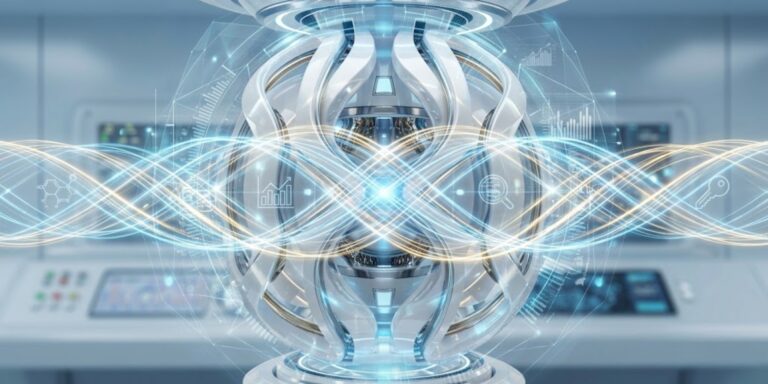

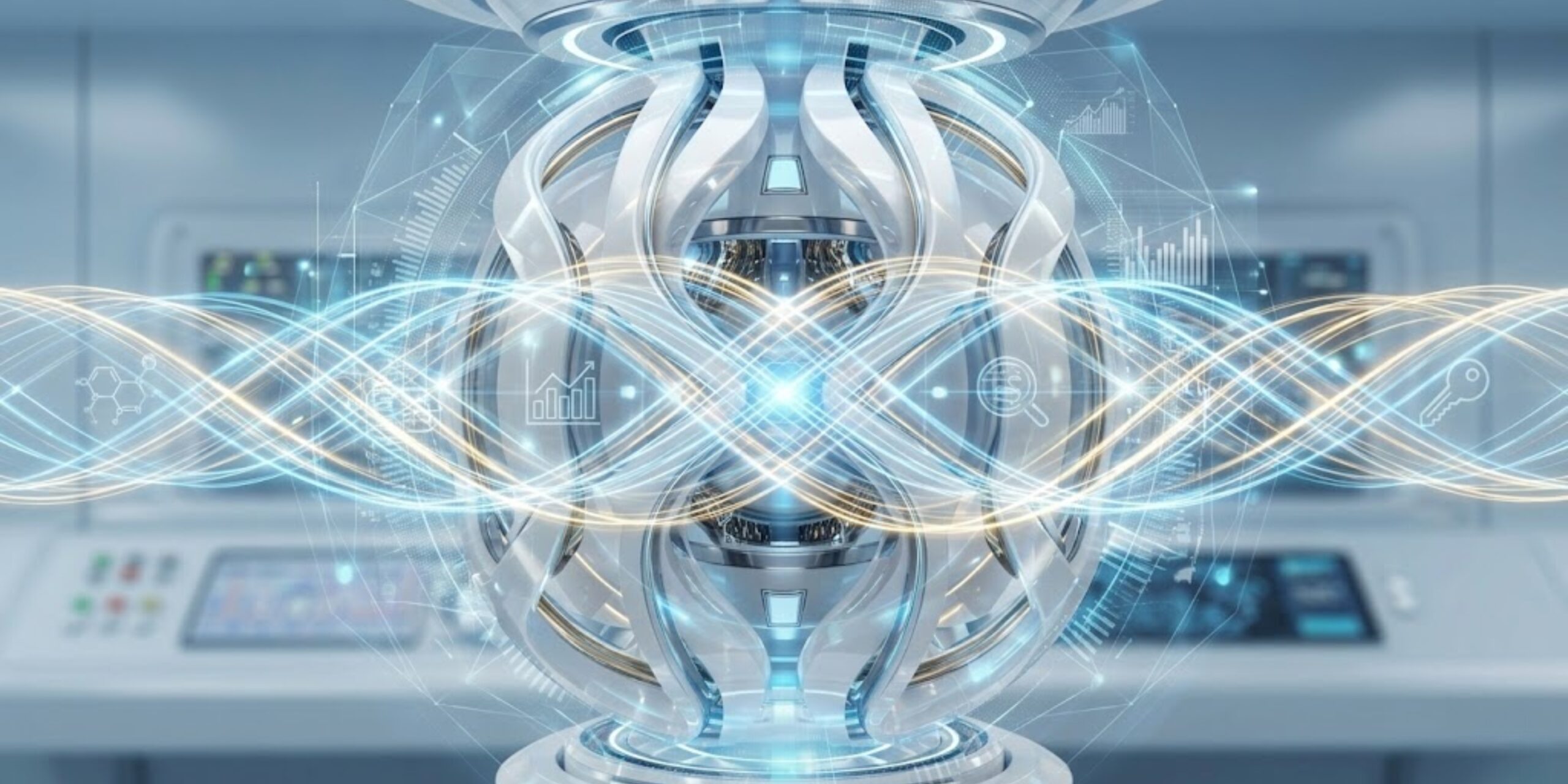
There is a new type of computer on the horizon that is about to make everything we know about technology obsolete. While classical computers (including the one you are likely using to read this article) represent data as bits (0 or 1), Quantum Computers operate using qubits (a state of being both 0 and 1 simultaneously). This is not just a faster computer; it is a different kind of computer altogether.
At Daanistnaama, we explore the forces that reshape our world. Understanding the future of quantum computing is essential for anyone interested in innovation and the limits of human achievement.
Quantum Superposition: The Power of Countless Possibilities
Traditional computers are great at solving simple problems, but they struggle with complex ones. A quantum computer, however, can process multiple paths simultaneously, making it ideal for optimization and simulation. Think of a maze: a classical computer would explore each path sequentially, one by one. A quantum computer would explore all paths simultaneously, finding the exit instantly. This is the power of quantum superposition.
How Quantum Computing will Revolutionize Your Future
By 2030, quantum computers will be used to solve impossible problems. * Drug Discovery: Simulating molecular interactions is an incredibly complex task. Quantum computers can model these interactions with unparalleled accuracy, accelerating the discovery of new drugs for diseases like cancer and Alzheimer’s.
- Financial Modeling: The financial markets are a complex system with countless variables. Quantum computers can build more accurate models to optimize investment portfolios and manage risks.
- Cryptography: The security of our digital world relies on encryption methods that are difficult to crack. A quantum computer, however, could crack these methods easily, creating a new arms race in cybersecurity.
The Challenges of the Quantum Future
We cannot have an open and wise discussion without acknowledging the significant challenges of the quantum future. Building and maintaining a stable quantum computer is incredibly difficult. Qubits are extremely sensitive to noise and temperature, making them prone to errors. Furthermore, the ethical implications are also significant. A quantum computer could be used for good, but it could also be used for evil.
Conclusion
The quantum revolution is not a distant possibility; it is already beginning to unfold. By harnessing the power of quantum mechanics, we are about to unlock a new era of problem-solving, from medicine to markets, and everything in between. The journey toward this quantum future offers unprecedented potential, but it also requires profound wisdom and responsibility.