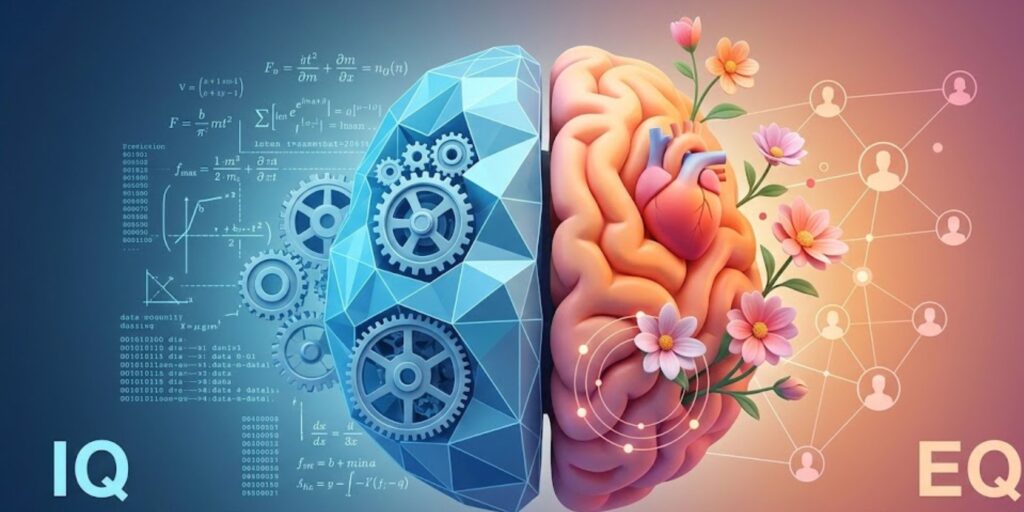

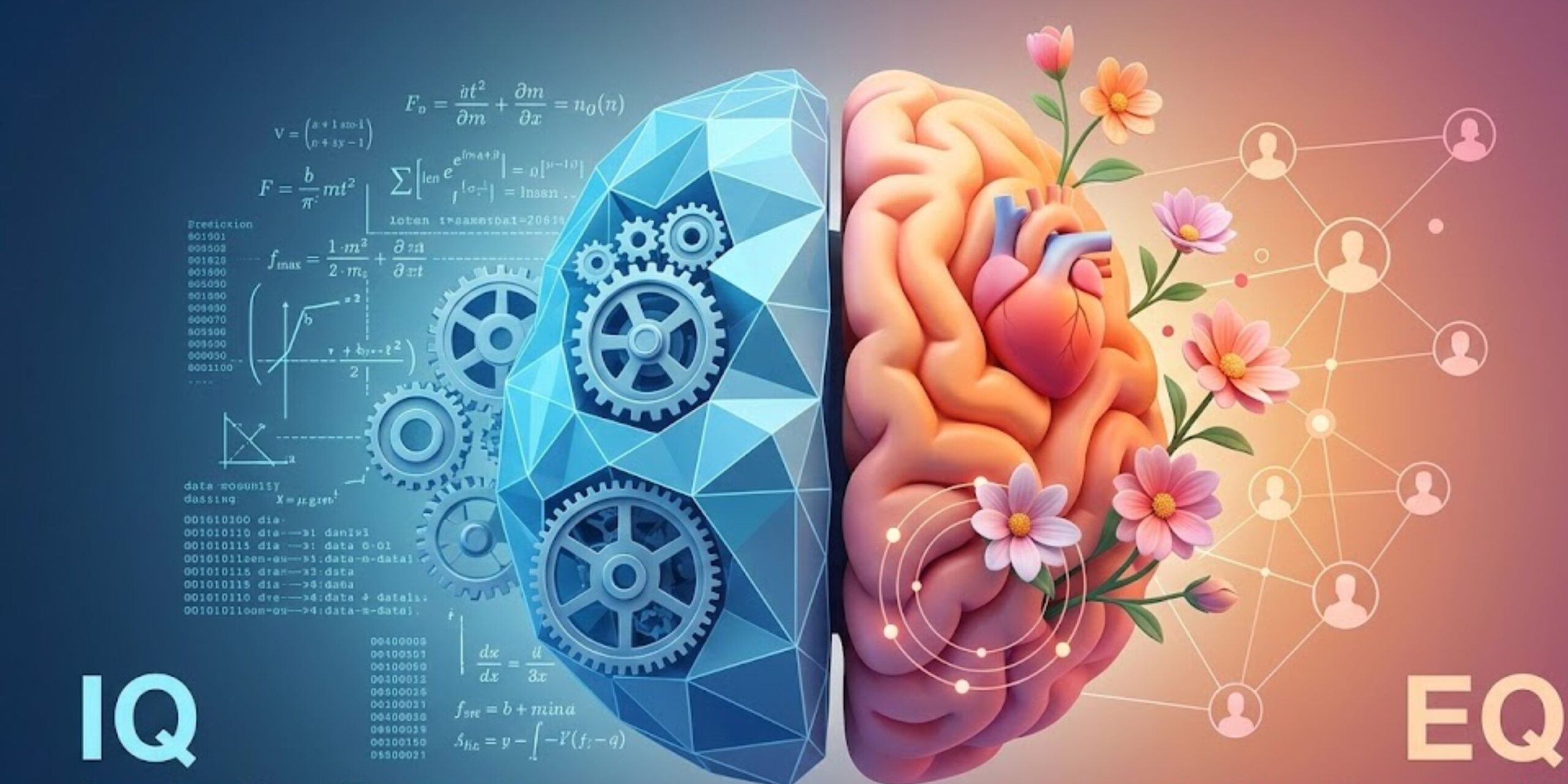
For a long time, the world was obsessed with the Intelligence Quotient (IQ). It was believed that a high score on a standardized test was the ultimate ticket to a prestigious career and a wealthy life. However, as we move through 2026, the focus has shifted. While IQ might get you through the door, it is Emotional Intelligence (EQ) that helps you stay in the room and lead.
At Daanistnaama, we believe true wisdom is the balance between the head and the heart. Let’s dive into why EQ is becoming the gold standard for success.
Defining the Two Pillars
- IQ (Intelligence Quotient): This measures your cognitive abilities—how you process information, solve logical puzzles, and use math or language. It is largely seen as “hard” intelligence.
- EQ (Emotional Quotient): This is the ability to identify, evaluate, and control your own emotions and understand the emotions of others. It involves empathy, social skills, and self-awareness.
Why EQ Often Trumps IQ in the Real World
While a high IQ is essential for technical roles like engineering or data science, research shows that EQ is the primary driver of leadership and long-term happiness.
1. Navigating Social Complexities
No one works in a vacuum. Whether you are in a corporate office or a creative studio, you must deal with people. High EQ allows you to resolve conflicts, inspire teammates, and build trust—things a math formula cannot solve.
2. Resilience Under Pressure
High IQ individuals can sometimes crumble under high stress if they lack emotional regulation. Someone with high EQ can stay calm, manage anxiety, and bounce back from failures more effectively.
3. Empathy: The Ultimate Leadership Tool
The best leaders aren’t just the smartest people in the room; they are the most empathetic. Understanding a team member’s struggle and providing support creates loyalty that “logic” alone can’t buy.
Can You Improve Your EQ?
The good news is that while IQ is mostly fixed by your mid-20s, EQ is a skill that can be developed at any age. * Practice Active Listening: Don’t just wait for your turn to speak; try to understand the speaker’s perspective.
- Pause Before Reacting: When angry or frustrated, take 10 seconds before replying to an email or a comment.
- Journaling: Write down your feelings to identify patterns in your emotional triggers.
Conclusion
Success in the modern world is no longer just about how much you know; it’s about how you use what you know to connect with others. IQ provides the foundation, but EQ builds the skyscraper.