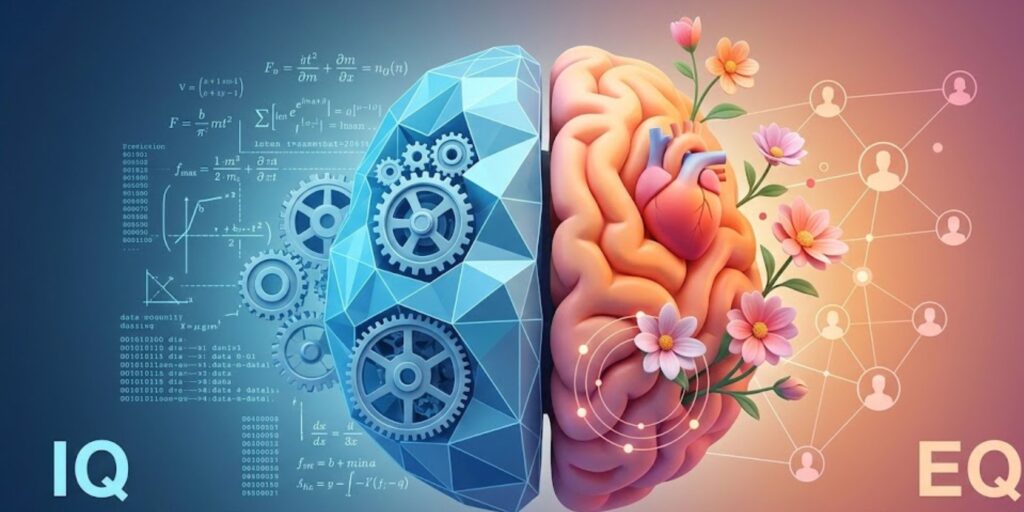


For decades, conversations surrounding mental well-being were relegated to the shadows. While physical ailments were met with sympathy and immediate care, mental health struggles were often met with silence, confusion, or worse—judgment. As we navigate the complexities of 2026, the need to dismantle mental health stigma has never been more urgent.
At Daanistnaama, our commitment is to knowledge and wisdom. True wisdom recognizes that a healthy mind is the foundation of a fulfilled life. To achieve this, we must first address the invisible barrier preventing millions from seeking help.
Understanding the Weight of Stigma
Mental health stigma isn’t just a collection of unkind words; it is a powerful social force that isolates individuals. It manifests in two primary ways:
- Public Stigma: The negative or discriminatory attitudes that others have about mental illness. This leads to discrimination in workplaces, healthcare settings, and social circles.
- Self-Stigma: When individuals internalize these negative attitudes, leading to feelings of shame, low self-esteem, and a reluctance to seek treatment.
This dual burden creates a vicious cycle. People suffer in silence, fearing that speaking out will ruin their reputations or relationships.
Why 2026 is a Turning Point
We live in a world that is more connected yet often more isolating than ever. The rapid pace of technological change, global economic shifts, and the lingering psychological impacts of previous global crises have intensified the mental health challenge.
However, 2026 also presents an opportunity. The proliferation of digital wellness platforms and AI-driven mental health support tools has made help more accessible. Yet, technology cannot replace societal acceptance. We must match technological progress with cultural empathy. If we do not talk openly about these issues, the best tools in the world will remain underutilized.
The Cost of Silence
The consequences of maintaining the mental health stigma are severe and far-reaching:
1. Delayed Treatment
People often wait years, sometimes decades, before seeking help for mental health conditions. By the time they do, the condition may have worsened significantly, making recovery more complex.
2. Social Isolation
Stigma drives people away from their support systems. Individuals may withdraw from friends, family, and colleagues, exacerbating feelings of loneliness and depression.
3. Impact on Physical Health
The mind and body are intrinsically linked. Chronic mental health struggles can lead to physical complications, including heart disease, weakened immunity, and sleep disorders.
How to Actively Break the Stigma
Dismantling a deep-seated cultural stigma requires collective action. Here is how we can contribute to the change:
- Normalize the Conversation: Treat mental health discussions as normally as physical health discussions. Ask, “How are you really doing?”
- Educate Yourself and Others: Learn the facts about mental health conditions. Replace myths and stereotypes with evidence-based knowledge.
- Choose Your Words Carefully: Language matters. Avoid using derogatory terms or using mental health conditions as adjectives (e.g., “she’s so bipolar about the weather”).
- Share Your Story (If You Can): Personal narratives are powerful. Seeing successful, relatable people talk about their struggles breaks the illusion that mental illness is a sign of weakness.
Conclusion
Breaking the mental health stigma is not a passive event; it is an active, ongoing process. As we look toward the future, let Daanistnaama be a space where curiosity replaces judgment and where vulnerability is seen as a form of strength. By talking openly today, we build a healthier, wiser world for tomorrow.