
For decades, the standard narrative was that machines are logical, and humans are creative. While computers were destined to perform calculations, only the human spirit could produce art, music, or poetry.
In 2026, that narrative has been completely shattered.
At Daanistnaama, our pursuit of wisdom often leads us to question old truths. The explosive rise of Generative AI (like Midjourney, ChatGPT, and music-generation tools) is forcing us to redefine what creativity means. The fundamental question is: Is AI a competitor, or a collaborator?
The Rise of the “Synthetic Artist”
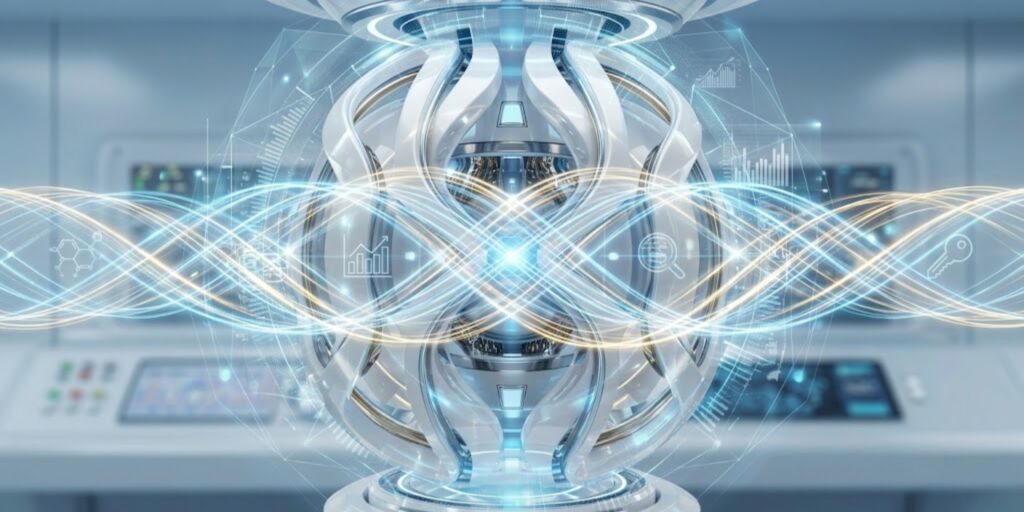
AI algorithms are now capable of analyzing millions of masterpieces to understand composition, lighting, style, and emotional impact. Consequently, they can generate breathtaking results based on a single text prompt. This is not mere copying; it is a synthesis of knowledge. * Digital Art: AI can create intricate fantasy worlds or photorealistic portraits in seconds.
- Music Composition: AI systems can now compose complete symphonies in the style of Mozart or experimental ambient tracks.
- Literature: AI can write coherent novels, produce screenplays, and craft poetry that resonates with human emotion.
The barrier to entry for many creative fields has been demolished.
The Counter-Argument: Why Human Creativity is Imperative
It is easy to look at these capabilities and feel existential dread. Will human artists become obsolete? The answer is no, but our roles are changing.
True human creativity is more than just pattern recognition. It is fueled by lived experience, suffering, love, consciousness, and intent. A machine can generate an emotionally evocative piece of music, but it cannot feel the heartbreak that inspired it.
Furthermore, AI is trained on existing data. It can iterate on the past but cannot truly innovate a new paradigm. Humans create from scratch; AI creates from data. The human “imperfection” is often what gives art its soul.
The Daanistnaama Perspective: The Emergence of the “Cyborg Creator”
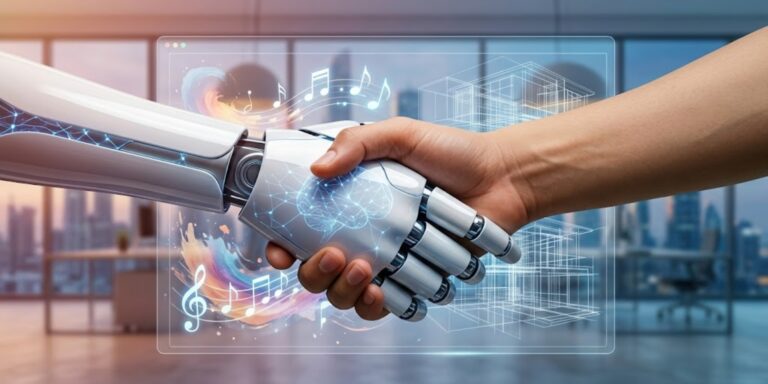
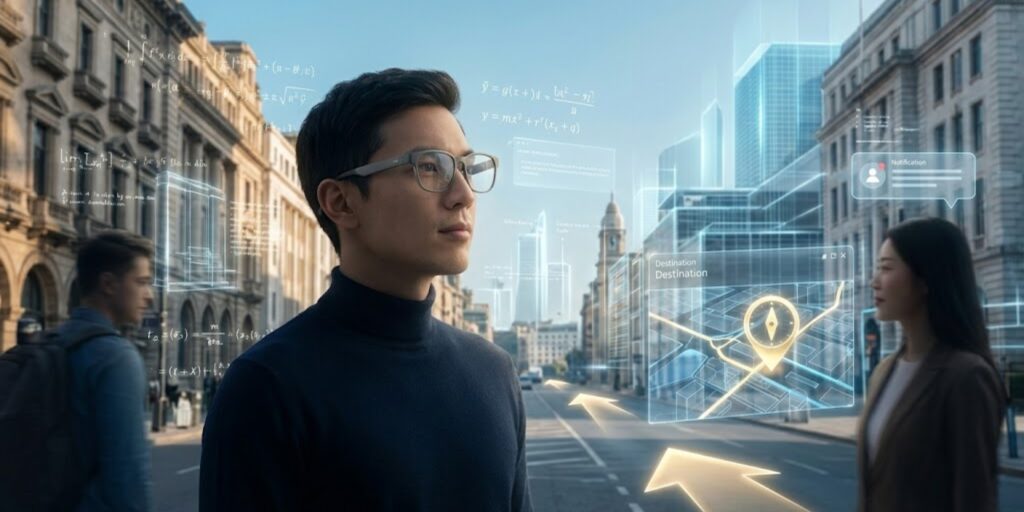
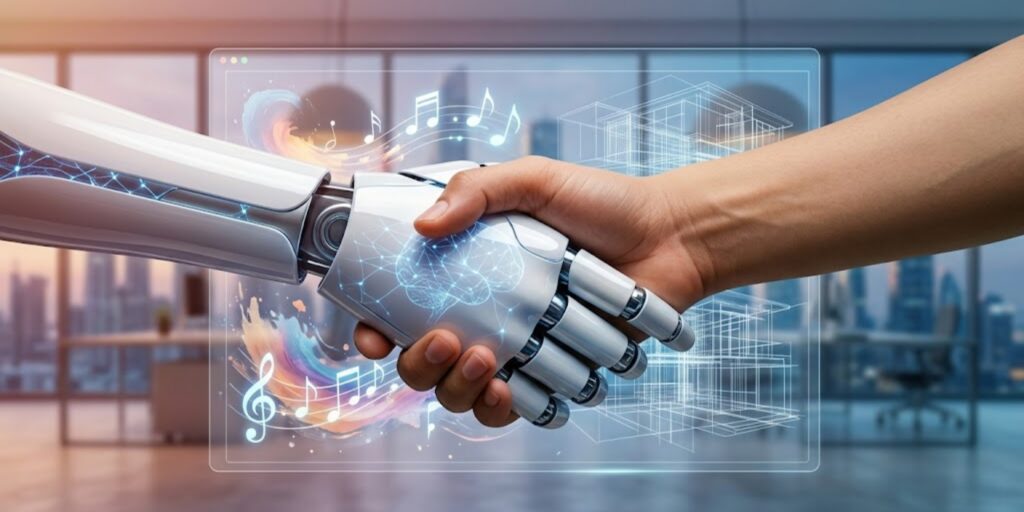
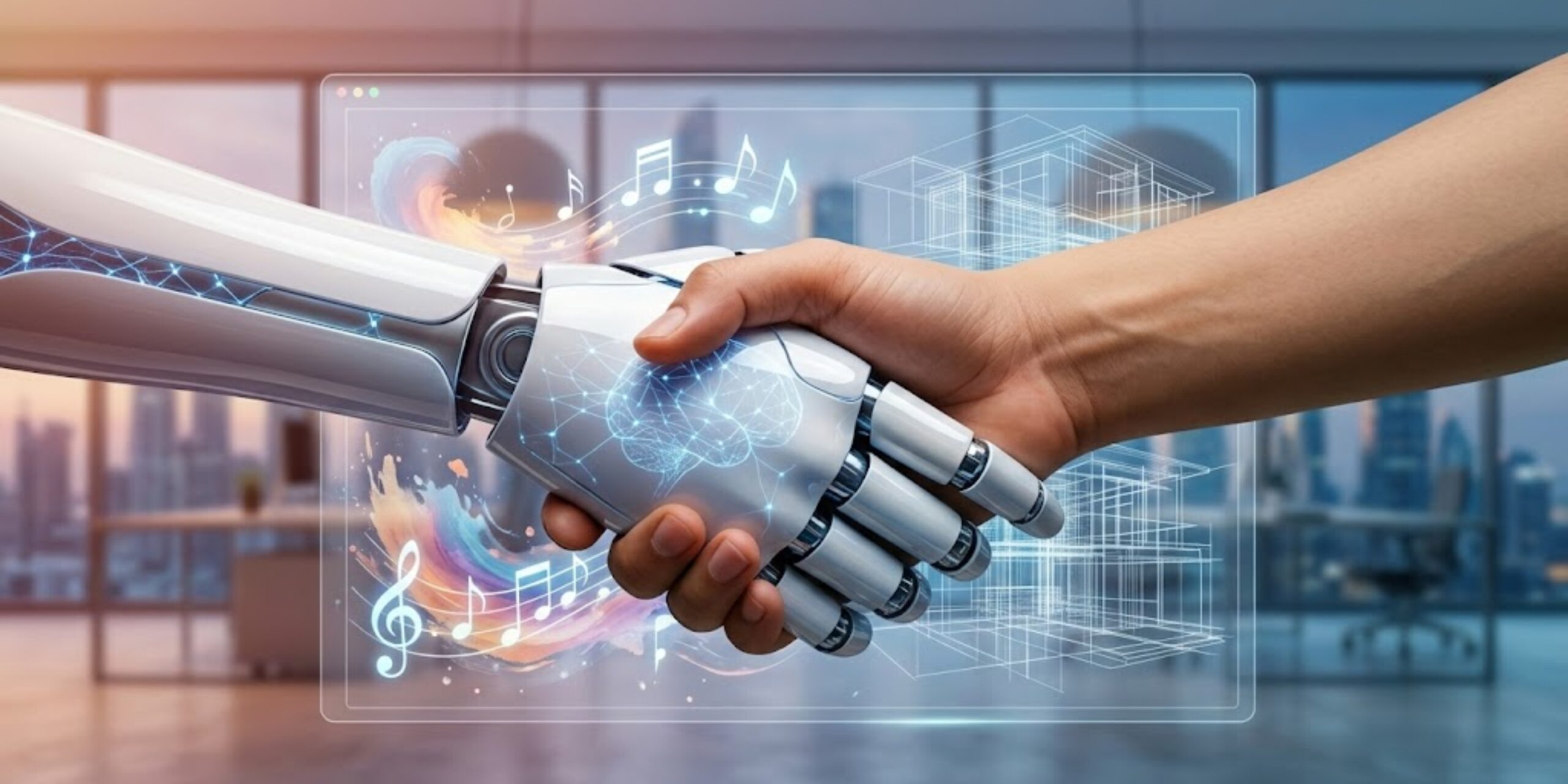
We must move beyond the “AI vs. Human” binary. The future of AI in creativity is not replacement; it is augmentation.
AI is becoming the ultimate brainstorming partner. An architect can use AI to generate 50 preliminary sketches based on sustainable constraints in minutes, freeing up hours to focus on the unique human-centric details. A writer can use AI to research obscure historical facts or to suggest alternate dialogue structures.
The true “Daanish” (wisdom) in 2026 is learning how to pilot these tools, not fight them. Those who embrace collaboration will create better, faster, and at a greater scale than ever before.
Conclusion
The future of creativity is not a zero-sum game. Artificial Intelligence is a mirror—it reflects our own collective knowledge back at us, often in unexpected and beautiful ways. By accepting AI as a powerful ally, we don’t diminish our own creative spark; we empower it to illuminate an entirely new future of expression.